Tesla's Ambitious Robotaxi Growth: Doubling Down in Austin and Beyond
Tesla, a company synonymous with electric vehicles, is increasingly cementing its identity as a pioneering artificial intelligence (AI) powerhouse. At the heart of this strategic evolution lies its ambitious robotaxi program, a venture that is not only transforming urban mobility but also significantly impacting investor confidence. Recent announcements from CEO Elon Musk underscore a rapid expansion strategy, with plans to dramatically increase tesla robotaxi numbers in its initial test market, Austin, and to extend services to multiple new metropolitan areas.
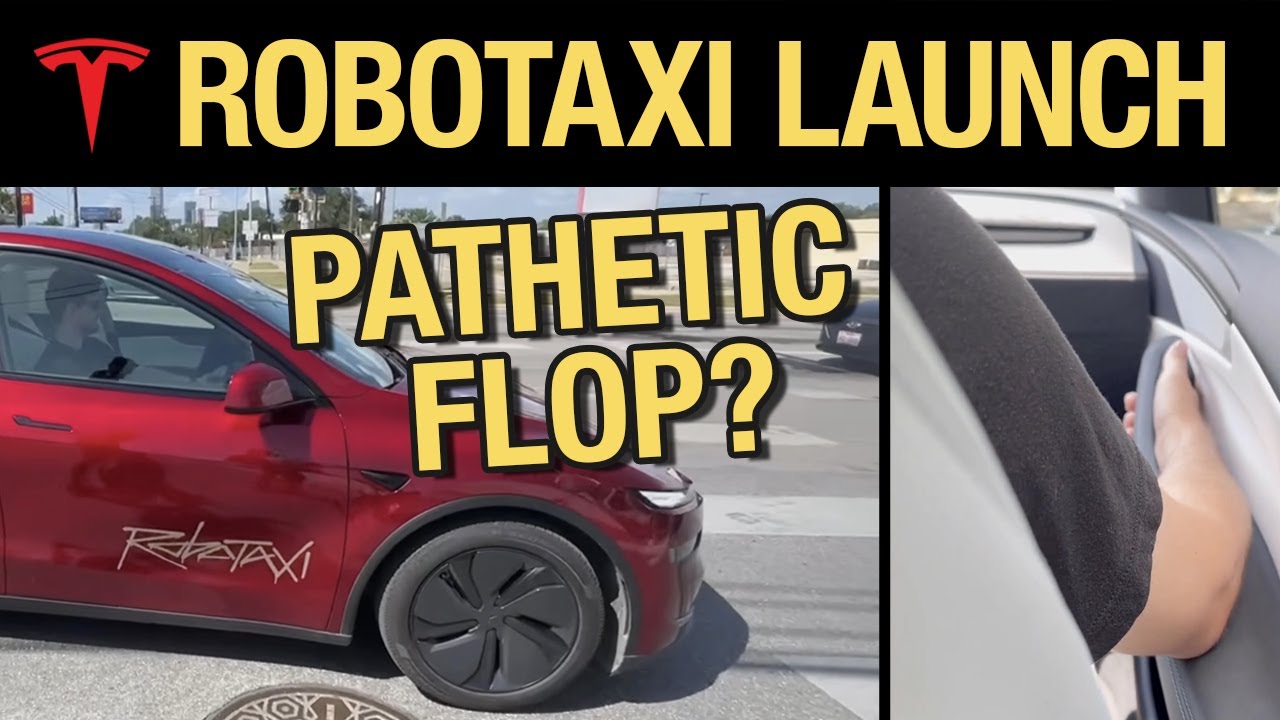
The journey began in June with the quiet launch of Tesla's robotaxi service in Austin, Texas. This Texan capital served as the proving ground for the nascent autonomous fleet, where vehicles operated with the critical safeguard of human safety drivers. These drivers weren't behind the wheel for the duration of the trip but were present to intervene instantly should the AI encounter unforeseen complexities. While the initial rollout experienced a mix of successes and minor difficulties, the valuable real-world data gathered propelled the service forward, leading to its subsequent expansion into the dynamic and complex urban environment of the San Francisco Bay Area.
Looking ahead, Musk has outlined aggressive growth targets, promising to double the existing tesla robotaxi numbers in Austin by December. This swift ramp-up less than six months after the initial launch highlights Tesla's commitment to scaling its autonomous capabilities. Beyond Austin, the company has set its sights on an ambitious nationwide expansion, aiming to introduce its robotaxi services to approximately eight additional major metropolitan areas before the close of 2025. This aggressive timeline reflects a pivotal shift in Tesla's focus, moving beyond traditional automotive sales to embrace the lucrative and transformative potential of autonomous ride-hailing.
Navigating the Road Ahead: Challenges, Safety, and Continuous Improvement
The path to widespread autonomous vehicle adoption is rarely without its bumps, and Tesla's robotaxi service has certainly encountered its share of learning experiences. Early reports from the field have documented various issues, ranging from vehicles exceeding speed limits and veering across lanes to minor navigational errors like dropping passengers at slightly incorrect destinations. While these incidents are scattered and relatively infrequent given the scale of operation, they underscore the intricate challenges inherent in developing truly sentient self-driving technology.
Crucially, Tesla has maintained a proactive stance on safety. The continued presence of safety monitors in each robotaxi is a testament to this commitment, ensuring a human backup is always available to manage any unexpected scenarios. These early-stage incidents are not seen as setbacks but rather as invaluable data points that fuel the continuous improvement cycle for Tesla's AI systems. Engineers are constantly refining the onboard computers, algorithms, and sensor fusion capabilities, learning from every mile driven and every challenge encountered. This iterative process is vital for enhancing the service's reliability and safety as the company scales its operations and increases its tesla robotaxi numbers across diverse urban landscapes.
Beyond existing operational areas, Tesla is actively laying the groundwork for future expansions. The company has already filed for necessary permits to launch a ride-hailing service in Arizona, signaling its intention to broaden its geographical footprint significantly. The regulatory landscape for autonomous vehicles remains complex and varied across different states and cities, making each expansion not just a technological challenge but also a logistical and legal one. As Tesla works to integrate its technology seamlessly into new communities, its ability to address these diverse requirements will be key to its success. For a deeper dive into how Tesla has progressed from its initial test bed to broader deployment, you might find Tesla Robotaxi Progress: From Austin's Launch to Broad Expansion insightful.
Beyond Wheels: Tesla's Broader AI Vision and Investment Confidence
The narrative surrounding Tesla has fundamentally shifted. Once primarily viewed through the lens of electric vehicle sales, which have faced headwinds in various markets, investor focus has decisively gravitated towards its burgeoning AI capabilities, with robotaxis at the forefront. Wall Street analysts now increasingly perceive Tesla as an AI company first and an automotive manufacturer second, believing that the future success and valuation of the company will be predominantly driven by its autonomous technology and the expansion of its tesla robotaxi numbers.
This evolving perception is mirrored in recent financial analyses. For instance, Bank of America recently resumed coverage on Tesla stock with a bullish "buy" rating, setting a new 12-month forward price target of $460. What's particularly striking is the firm's allocation of 52% of Tesla's overall valuation to its robotaxi division alone – more than double previous estimates and a clear indicator of how heavily financial markets are weighing the autonomous future. This signifies a profound trust in Elon Musk's vision and Tesla's capacity to execute on its self-driving ambitions, seeing it as the primary catalyst for future stock growth. Investors keen to understand the deeper financial implications can explore Robotaxis Drive Tesla Stock: Why 52% of Valuation is AI.
Tesla's AI ambitions extend beyond just self-driving cars. The company is also heavily invested in developing humanoid robots known as Optimus. These advanced machines are currently in production and are anticipated to roll out to the market as early as next year, designed to perform a wide array of tasks in both home and workplace environments. This parallel development is not coincidental; the sophisticated AI and machine learning techniques refined for robotaxis are directly transferable and beneficial to the Optimus project, creating a powerful synergy that positions Tesla as a leader in generalized AI and robotics. This holistic approach to AI underscores the company's long-term strategy, demonstrating that the robust growth in tesla robotaxi numbers is just one facet of a much larger, interconnected AI ecosystem.
The Future of Urban Mobility: What Tesla's Robotaxi Expansion Means for Consumers and Investors
The expansion of Tesla's robotaxi service holds profound implications for both consumers and investors. For the average city dweller, the widespread adoption of autonomous taxis promises a future of enhanced convenience, potentially lower transportation costs, and reduced traffic congestion. Imagine summoning a Tesla robotaxi on demand, experiencing a safe and efficient journey without the need for human intervention, freeing up commute time for work, relaxation, or entertainment. This shift could redefine urban planning, vehicle ownership models, and even public transportation systems. However, consumers should also be prepared for an evolutionary period; early adopters will be part of a pioneering phase, offering invaluable feedback that shapes the service's maturity.
Practical Tips for Future Robotaxi Users:
- Embrace the Learning Curve: Understand that autonomous technology, while advanced, is still evolving. Minor glitches are part of the innovation process.
- Provide Feedback: If issues arise, report them. Your observations are critical for Tesla's AI refinement.
- Prioritize Safety: Always follow in-car instructions and be aware of emergency protocols, even with safety monitors present.
For investors, Tesla's aggressive robotaxi expansion, marked by the increasing tesla robotaxi numbers, represents a high-stakes, high-reward proposition. The shift from EV manufacturer to AI and autonomy leader opens up new revenue streams that could dwarf traditional car sales. The potential for recurring revenue from a global fleet of robotaxis presents an attractive long-term growth story. However, like all disruptive technologies, it comes with inherent risks, including regulatory hurdles, competitive pressures, and the unpredictable pace of technological perfection.
Actionable Advice for Investors:
- Monitor Regulatory Developments: Keep an eye on regional and national legislation concerning autonomous vehicles, as this can significantly impact rollout speed.
- Assess Competitive Landscape: While Tesla is a leader, other players like Waymo and Cruise are also making strides. Understand the competitive dynamics.
- Focus on Long-Term Vision: Robotaxis are a multi-year play. Short-term stock fluctuations should be viewed in the context of Tesla's broader AI strategy and sustained growth in tesla robotaxi numbers.
- Diversify: While robotaxis present a compelling investment thesis, a balanced portfolio is always prudent, even when investing in high-growth tech sectors.
Ultimately, the success of Tesla's robotaxi ambitions hinges on its ability to rapidly and safely scale its operations, demonstrating that its AI can consistently perform at a level superior to human drivers across diverse environments. The exponential growth in tesla robotaxi numbers, coupled with continuous technological refinement, will be the key metrics to watch as this revolution unfolds.
Tesla's strategic pivot towards becoming an AI and robotics leader, spearheaded by its ambitious robotaxi program, marks a pivotal moment in the company's trajectory. With plans to double its Austin fleet and expand into eight new metropolitan areas by 2025, alongside ventures into humanoid robots, Tesla is redefining its core business. Despite initial challenges and the continuous need for AI refinement, the investor community is increasingly confident in the robotaxi's potential to drive significant long-term value. As tesla robotaxi numbers continue to climb and the technology matures, the company stands poised to revolutionize urban transportation and solidify its position at the forefront of the autonomous future.